HDR Real Estate Photography: Why Natural Edits Win Listings
HDR real estate photography gets a bad name when the edit is pushed too far: glowing halos around rooflines, flat gray walls, skies that look pasted in, neon lawns and windows that read as muddy blocks. Buyers notice that look even if they can't name it, and it makes a home feel less trustworthy before anyone books a showing. The listing photos that work best look natural, true to the rooms, and simply well lit.
What does "HDR-looking" actually mean in listing photos?
Most agents have seen it scrolling through a search: a living room where every surface seems to glow from the inside, the ceiling is the same brightness as the floor, and the view out the window looks like a postcard taped to the glass. That is what people usually mean when they say a photo "looks HDR." It isn't about a single setting or tool. It is a style of over-processing where the goal of showing everything at once wins out over showing the room the way it actually feels.
Good real estate photography editing has the same goal as a good showing: let the buyer see the space clearly and imagine living there. Over-processed photos chase drama instead. The result can look impressive for a second in a thumbnail and then fall apart the moment someone looks closer.
How can I spot bad real estate photos in a photographer's portfolio?
When you are choosing a photographer, or reviewing a delivery before it goes live, look past the overall "wow" and check the details. These are the most common signs of a heavy hand:
- Glowing halos. A pale outline around rooflines, trees, furniture edges or door frames, especially where something dark sits against a bright sky or window. Once you see it, you can't unsee it.
- Gray, flat walls. White walls that come out a dull gray or slightly dirty, with no sense of which side of the room the light comes from. Rooms look lifeless instead of bright.
- Fake skies. A deep blue sky with perfect clouds that doesn't match the light on the house, the shadows on the ground, or the season. A replacement sky can be fine when it's believable; it's a problem when it looks like a different day than the yard.
- Neon grass and plants. Lawns, hedges and trees pushed to an electric green that no real Central Coast yard looks like.
- Crushed or dirty windows. Windows that turn into flat white rectangles or a murky gray haze, so the view is lost, or windows that are clear but surrounded by a dark smudge on the frame.
- Color casts. A yellow or orange wash from interior bulbs, a blue tint from daylight, or a green tinge reflecting off the yard. Cabinets, floors and paint read as a different color than they really are.
- Crunchy texture. Wood grain, carpet, stucco and tile that look gritty or over-sharpened, as if every surface has been scrubbed with sandpaper.
Check a full gallery, not just the hero image. A photographer's best single exterior tells you less than the hallway, the guest bath and the laundry room from the same home. Consistency across the whole set is what your listing will actually get.
What do over-processed photos signal to buyers and sellers?
Buyers scroll fast, and they judge quickly. When a photo looks unnatural, the first reaction is often not "what a great house" but "what are they hiding?" Heavy edits can make a buyer wonder whether the rooms are smaller, darker or more worn than they appear. Then, if they do come to a showing and the paint is a different color or the view is not what the photo promised, the gap between photos and reality becomes the story instead of the home.
Sellers notice too. Many sellers forward their listing to friends and family the day it goes live, and they know their own house better than anyone. If the kitchen they spent months choosing finishes for shows up with a yellow cast, or their oak-shaded backyard looks like a video game, that lands on you as the agent. Natural photos say the listing was handled with care.
There is also a quieter cost. Over-processed images tend to look dated. A style that felt modern years ago now reads as a shortcut, and agents who care about their brand don't want their listings to look like everyone else's from a decade back.
What do amazing listing photos look like instead?
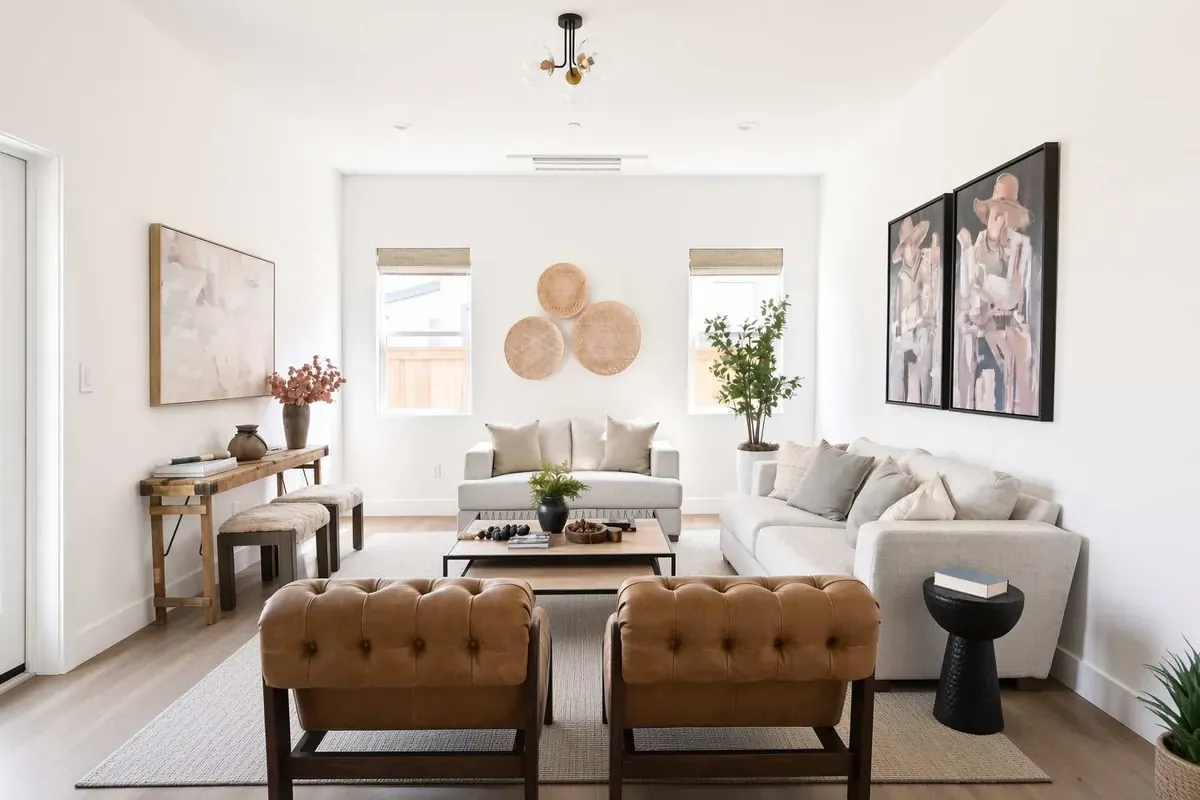
Amazing listing photos rarely look edited at all. They look like the best possible version of a real moment in the home. Here is what to look for:
- White walls look white. Clean and bright, with gentle shading that shows the shape of the room and where the light comes from.
- Colors match real life. Paint, cabinetry, flooring and countertops look like the same materials a buyer will see in person.
- Windows feel open. You can see out to the yard, the hills or the ocean, and the view looks like the actual view on a nice day, not a stock image.
- Skies are believable. If the sky is improved, it fits the light on the house and the time of year. Central Coast mornings with a marine layer can be soft and bright, and that can look lovely when it is handled honestly.
- Greens look like plants. Lawns, oaks, vineyards and native landscaping keep their real color and texture.
- Lines are straight. Walls, door frames and cabinets are vertical, so rooms feel stable and true to size.
- Shadows still exist. A little depth makes a room feel three-dimensional. Flattening every shadow is how photos end up gray and lifeless.
Natural doesn't mean dull. A well-edited photo can be bright, warm and inviting without crossing the line into fake. The test is simple: if a buyer walked into the room right after seeing the photo, would they recognize it immediately and feel like the photo was honest? If yes, the edit did its job.
For a sense of how a full set looks when every room is handled the same way, browse the property website the studio built at /foxtrot/.
What should I ask a photographer for before I book?
You don't need to know anything about how photos are made to get the results you want. Ask about outcomes, and ask to see proof:
- "Can I see a full gallery from one home?" Not a highlight reel. A complete delivery shows whether quality holds in the smaller rooms and tricky spaces.
- "Will the views out the windows be visible?" On the Central Coast, a window view of the ocean, the hills or wine country is often a big part of what a home is selling.
- "Will paint and finish colors look true?" Ask to see a kitchen and a bathroom with white or light finishes. Those are where color casts and gray walls show up first.
- "How do you handle skies?" You are looking for an answer about the result: believable, matching the light, and not overdone.
- "Can I ask for changes if something looks off?" A good photographer welcomes notes on a specific photo.
- "How consistent are your listings?" Your brand is built across dozens of listings. You want each one to look like it came from the same careful hand.
If you are comparing studios in the area, our overview of choosing a real estate photographer in San Luis Obispo County covers what else to weigh, and our guide to real estate photography cost explains how pricing works here.
Can a good edit fix a home that wasn't ready?
Editing can make a room look its best, but it shouldn't make a room look like a different room. The most natural-looking photos start with a home that's ready: clutter cleared, lights working, blinds set, counters mostly bare. When the home is prepared, the photos need less help, and they look more honest because of it.
Some changes are expected and buyers accept them, like a brighter sky or a TV screen turned off. Others cross a line, like hiding damage or changing what's permanently part of the property. When in doubt, keep edits to things a seller could have fixed with a quick tidy, and check your MLS's own rules on what's allowed in listing photos.
Share our seller prep sheet with your sellers before the shoot, and see how to get a house ready for listing photos for a room-by-room checklist.
How does The Showing Studio approach editing?
Our photos are edited to look natural, not over-processed. We want white walls to look white, views to look like the real view, and every room to look like the place your buyer will actually walk into. That's the standard across homes all over San Luis Obispo County, from beach cottages in Cayucos and Pismo Beach to ranch properties outside Paso Robles and Templeton.
Every booking includes listing photography, a floor plan showcase with measurements, and a customizable .com property website for the listing. Photos, the floor plan showcase and the website are delivered within 24 hours, and you can download everything and share it with sellers through the client portal. If a listing calls for more, add-ons like aerial photos, a twilight exterior session or virtual staging are available, and adding more of them unlocks bundle savings.
If you'd like to see the price for your next listing, build the shoot on /book/. Pricing is based on the home's living area and shown live as you choose add-ons. Questions about a specific property? Call Heather at (805) 459-2283 or email heather@theshowingstudio.com.
Questions agents ask
Is HDR real estate photography bad?
Not on its own. The problem is over-processed photos with halos, gray walls, fake skies and unnatural colors. Well-edited listing photos should look bright and natural, like the room really looks on a good day.
How can I tell if listing photos are over-edited?
Look for glowing outlines around rooflines and furniture, white walls that look gray, electric green lawns, skies that don't match the light on the house, and color casts on cabinets or floors. Check a full gallery, not just the best exterior.
What should I ask a real estate photographer about editing?
Ask to see a complete gallery from one home, whether window views will be visible, whether paint and finish colors will look true, and whether you can request changes. Focus on the results you want rather than how they get there.
Does The Showing Studio edit photos to look natural?
Yes. The studio edits for a natural look across San Luis Obispo County listings, with true colors, visible views and believable skies. You can build a shoot and see pricing on the booking page.
Booking a listing in San Luis Obispo County?
Photos, a floor plan showcase and the listing's own website are back within 24 hours. Build the shoot and see the price as you go.
Book a shoot